Case Study | LineX Improves Battery Electrode Winding Inspection
Four CIS camera sets and AI inspect both sides of cathode and anode sheets at 150 m/min. The reported results include at least 99.8% defect detection, no more than 0.1% false positives, and ceramic-coating offset measurement within ±0.05 mm.
Inspection at winding speed
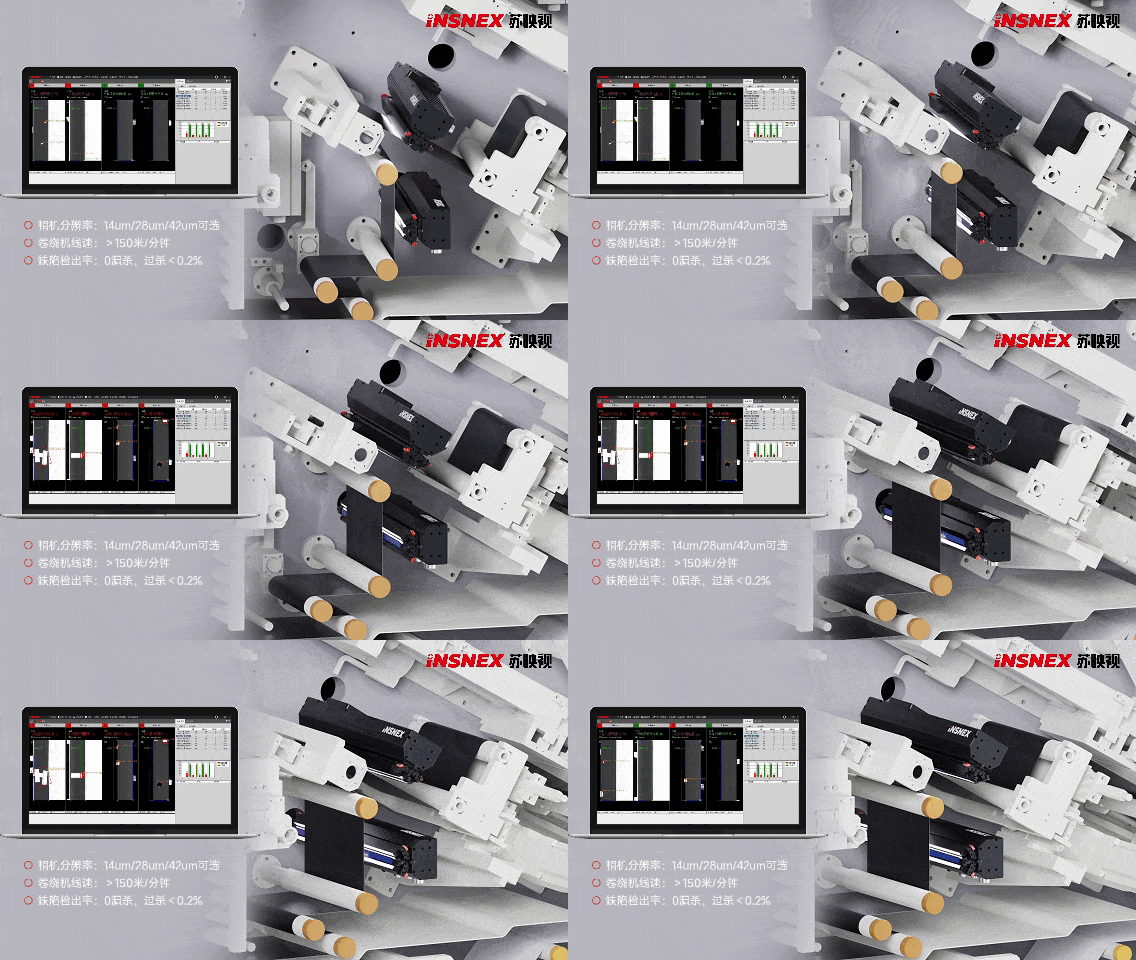
Battery winding machines leave little space for cameras, yet both sides of the cathode and anode sheets must be checked before winding. The customer needed reliable defect classification and accurate ceramic-coating alignment at high line speed.
Before the web reaches the winding needle
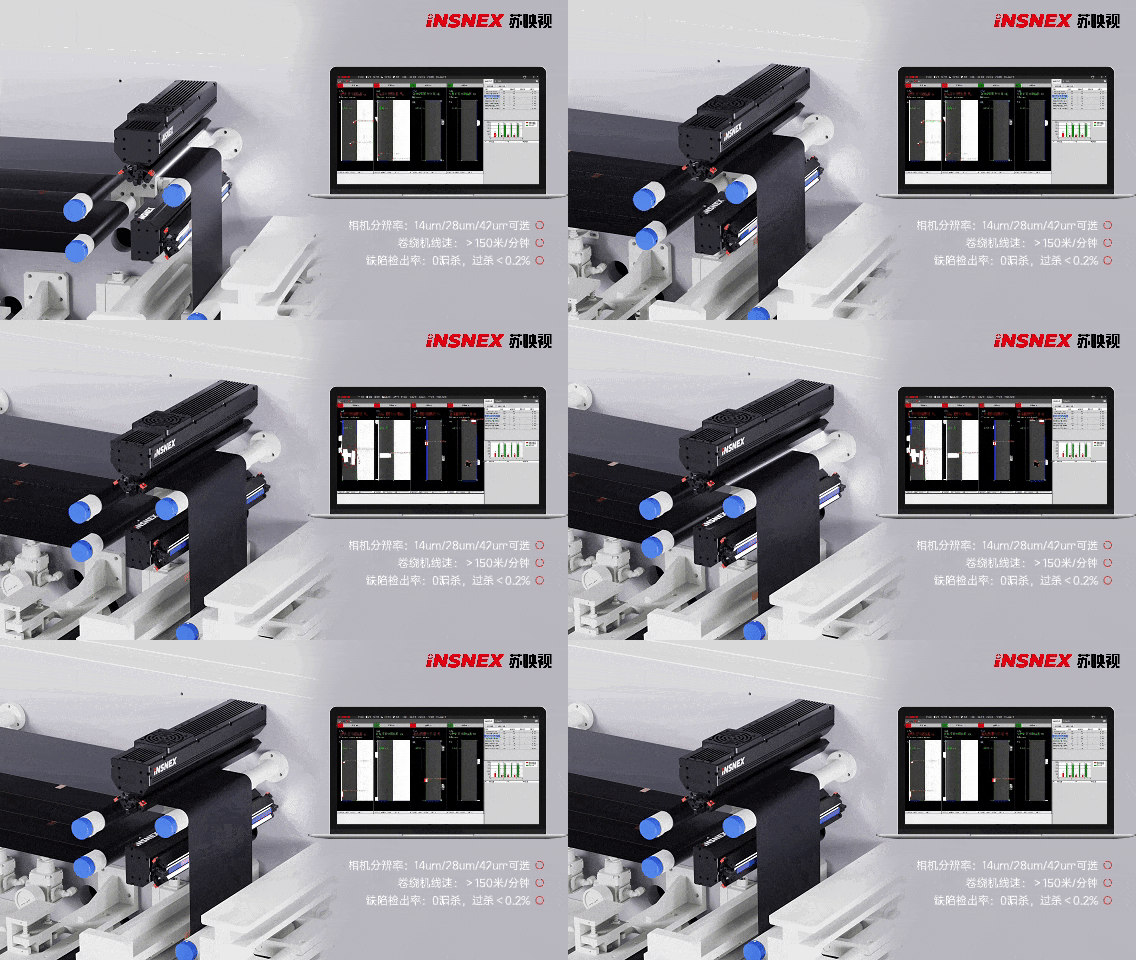
Positive and negative electrodes and the separator must be wound in the correct sequence. Defective sheet material, uneven winding, or an electrode extending beyond the separator can compromise the cell. The customer needed to inspect the sheet just before winding, where a conventional camera system had little room to fit.
Integration and traceability
Two-sided inspection of each electrode uses four compact CIS camera sets. Dynamic compensation keeps measurements stable on the moving web, while subpixel processing measures ceramic-coating alignment. MES integration links images and results with production records, supporting review of defects and process changes.
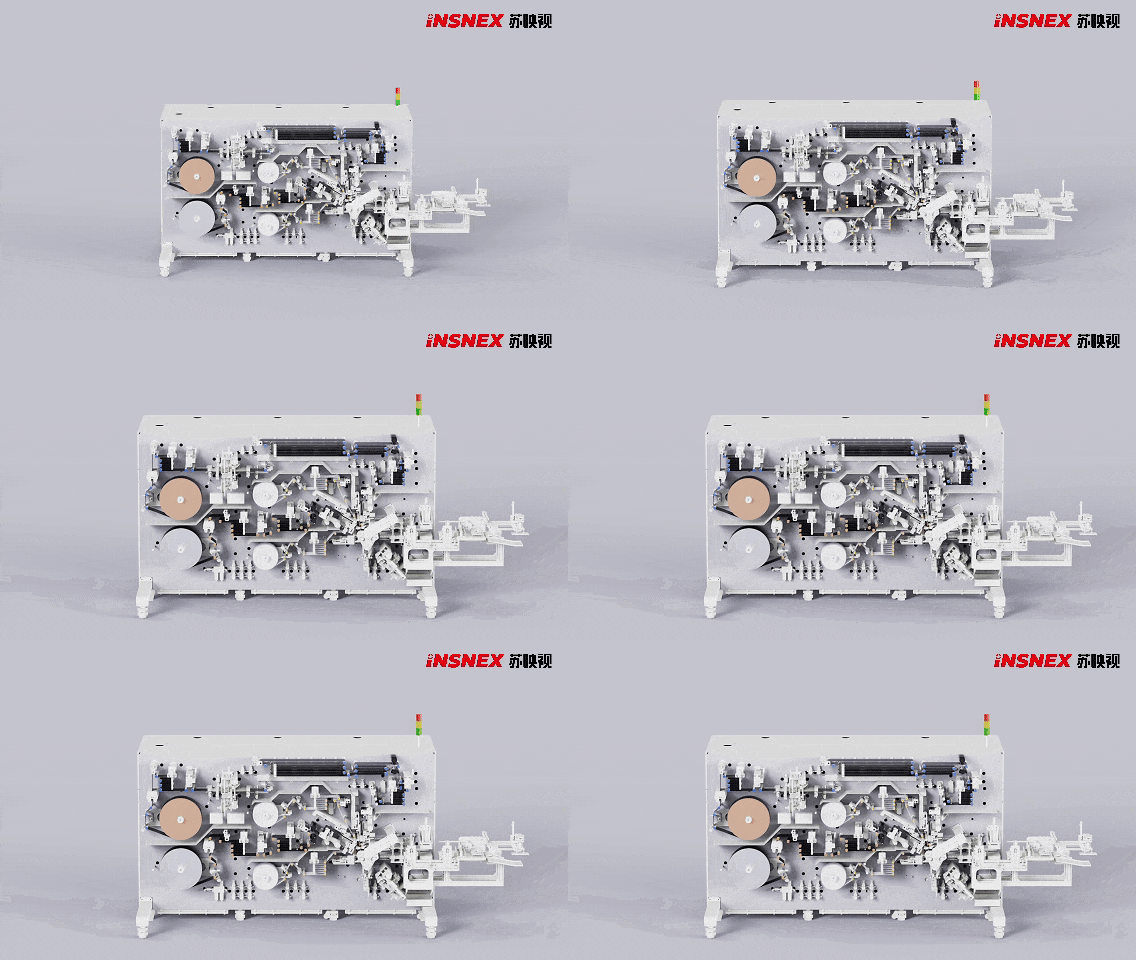
Four CIS camera sets with AI
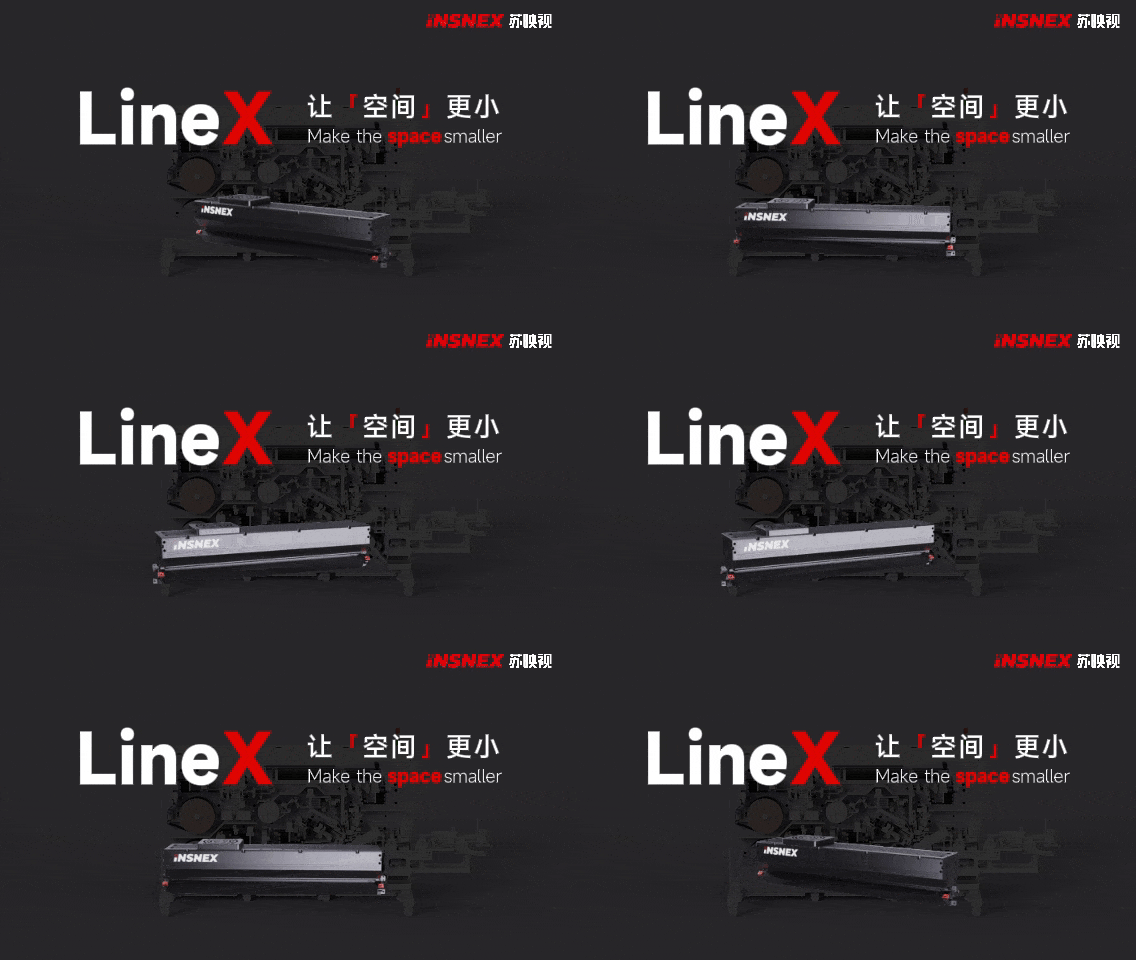
A compact four-camera system inspects both sides of both electrodes at 150 m/min. Camera resolution options are 14, 28, and 42 µm. Dynamic compensation and subpixel image processing support AI defect classification and ceramic-coating offset measurement to ±0.05 mm. The modular design adapts to different winding machines and exchanges production data with MES.
Reported results
The customer reported at least 99.8% defect detection and no more than 0.1% false positives. Daily throughput rose 40%, while manual spot-checking fell 80%.